
Features
-
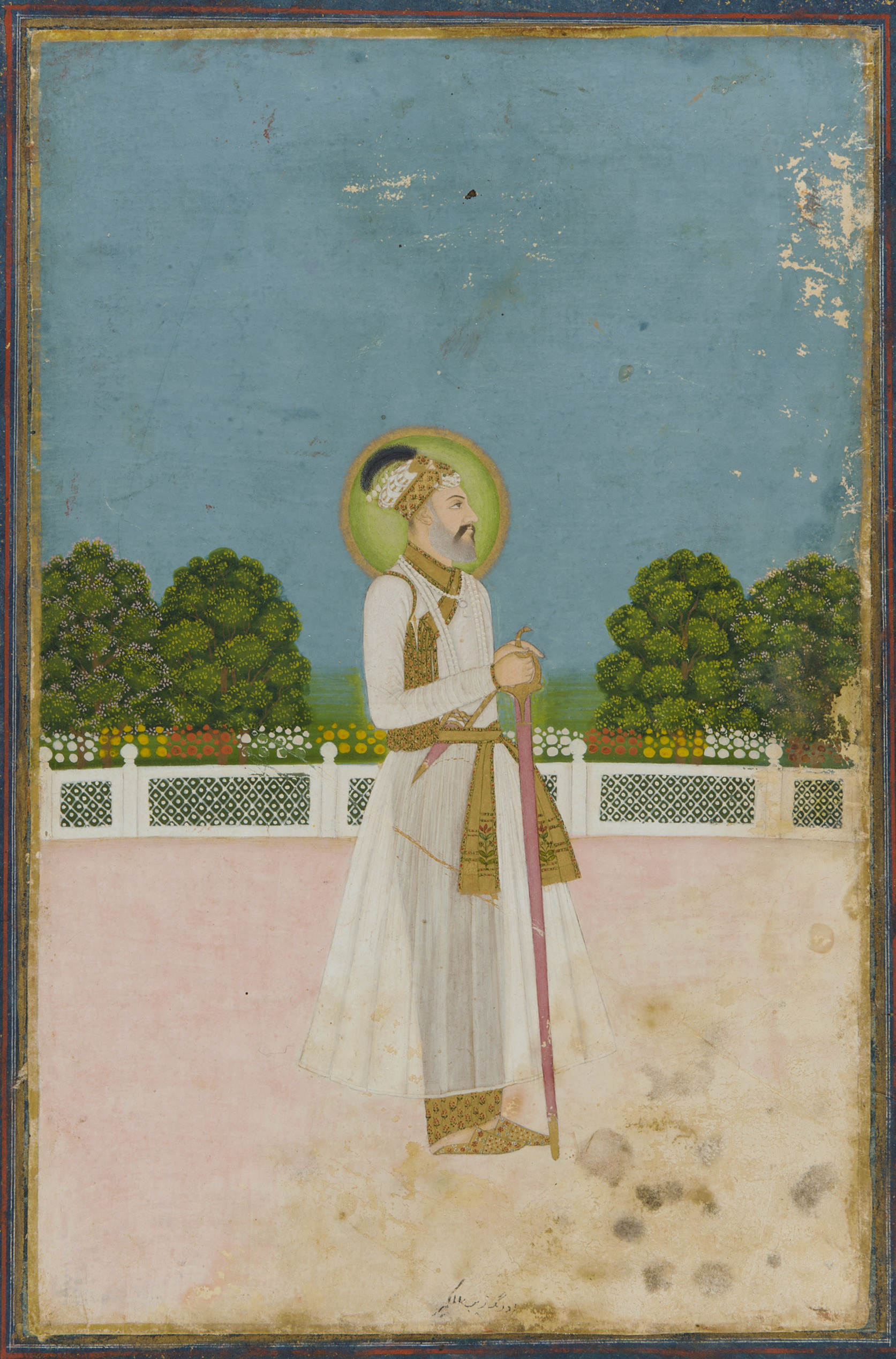
Kingship, Godship, Scholarship
Azfar Moin locates the roots of secularism in the sacred kingship of Emperor Akbar
-
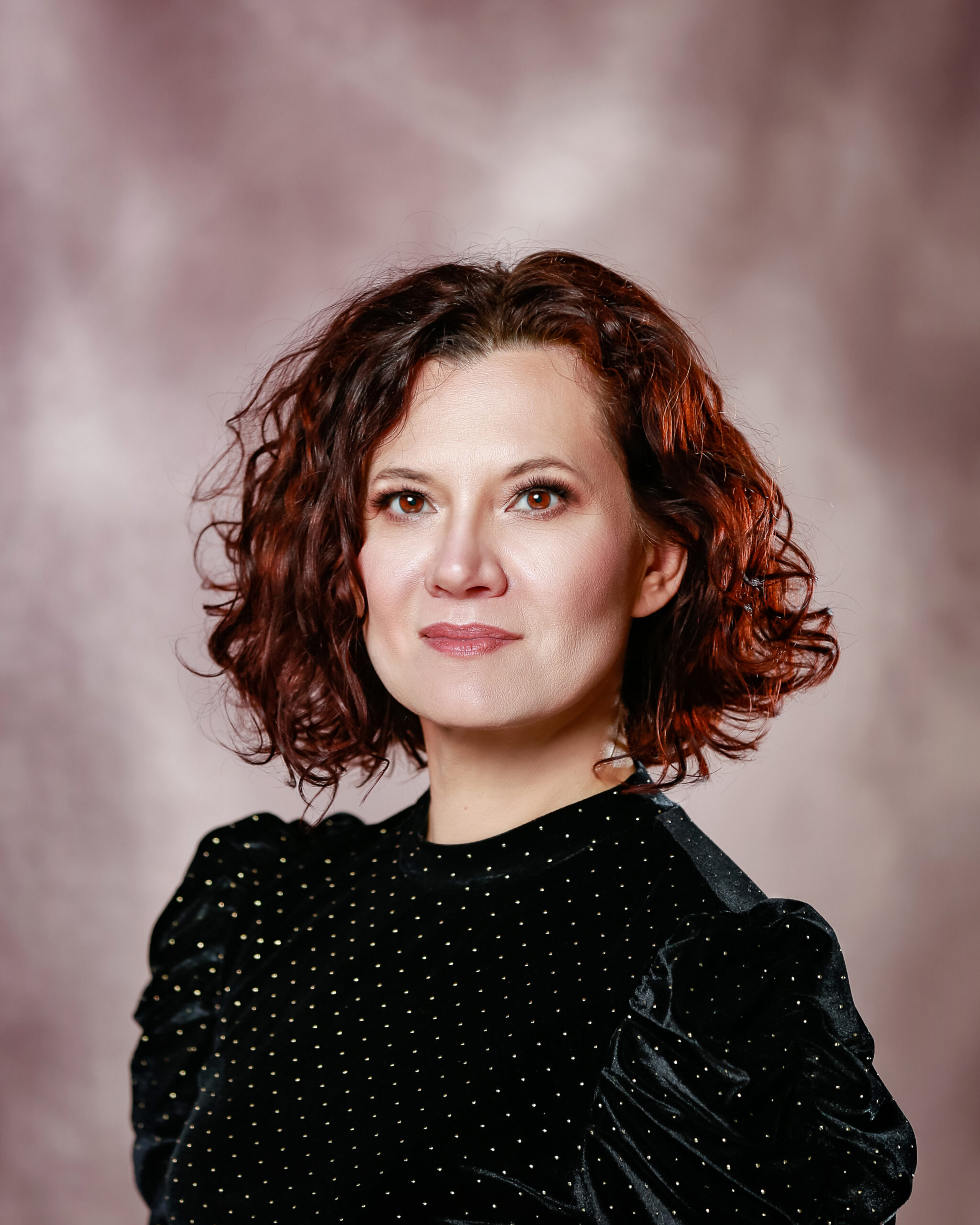
Poetry, Goats, Revolution
Oksana Lutsyshyna’s new novel explores a little-known Ukrainian protest movement and the weight of change
-
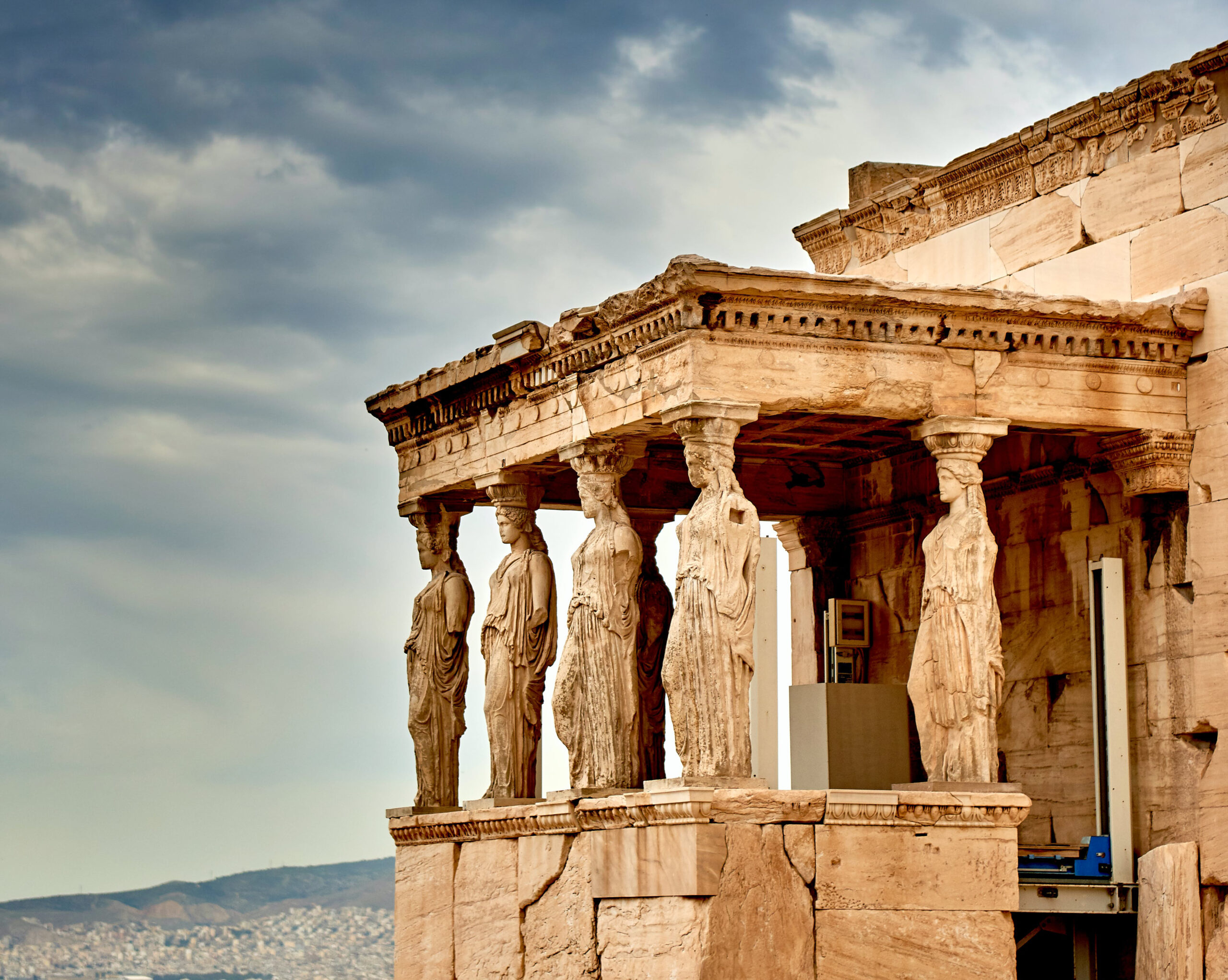
Democracy Then
Classicist Naomi Campa on how studying the past can illuminate the present.
-
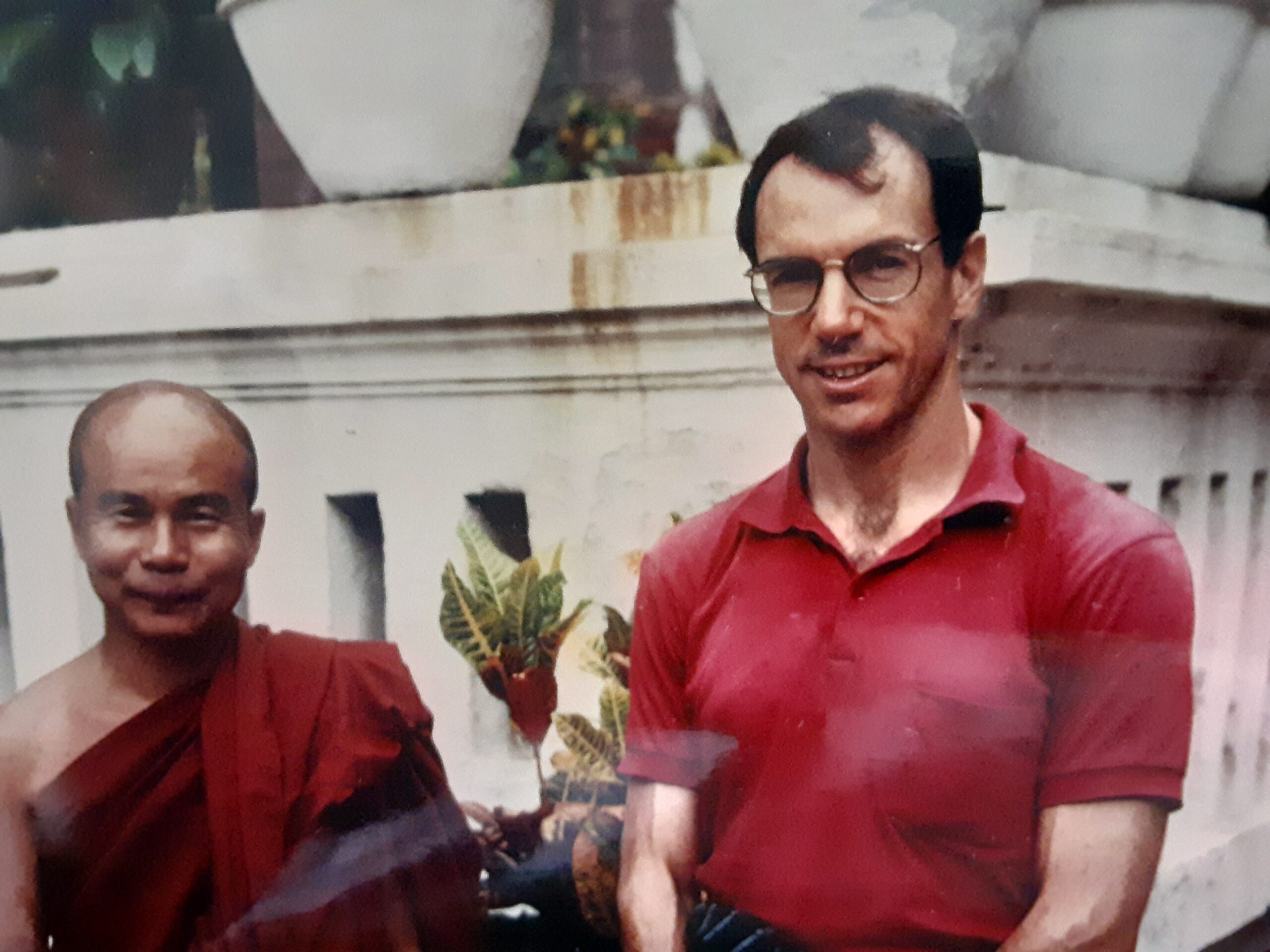
We Have the Best Stories
Ward Keeler on life as an anthropologist.
-
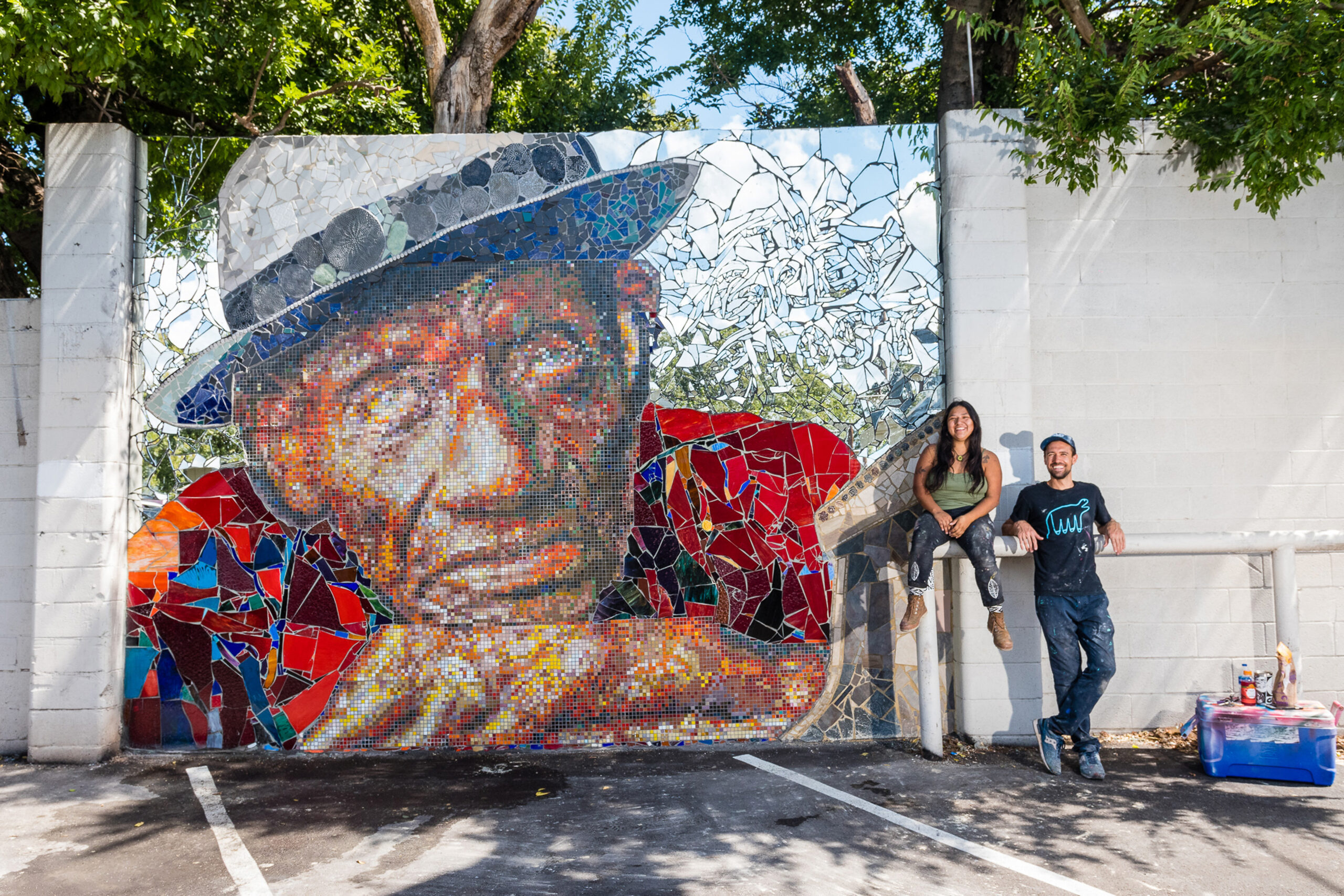
A Selfless Art
A wanderer (and COLA alum) puts down roots and grows communities.
-
Pictures Snapping into Place
Steven Hoelscher brings a geographer’s critical eye to the study of photography and history.

-
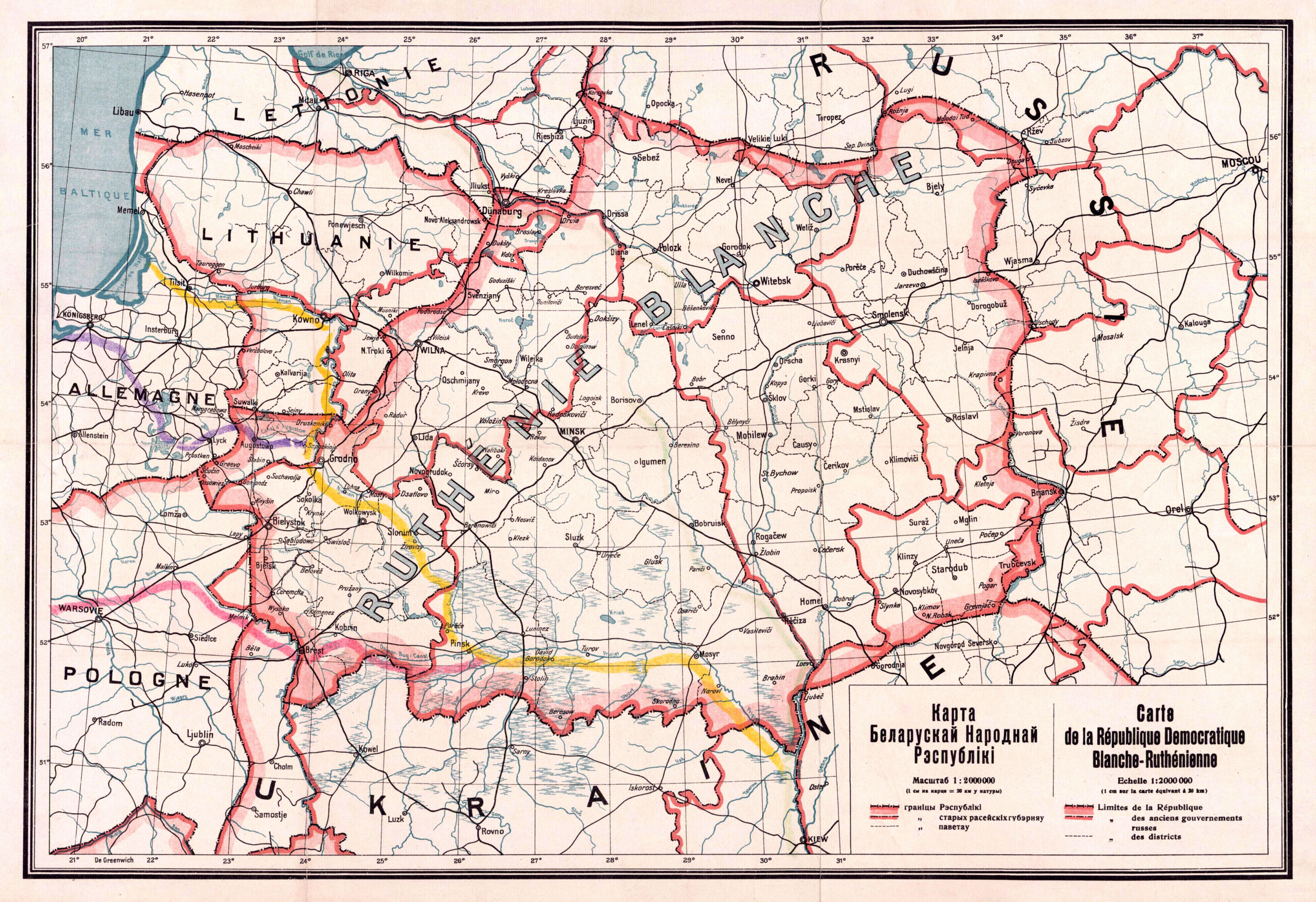
How Maps Can Kill: Lessons in Critical Cartography
Steven Seegel exposes the distortions, biases, and hidden agendas behind the seemingly objective art of cartography.
-
Old Threads, New Threads
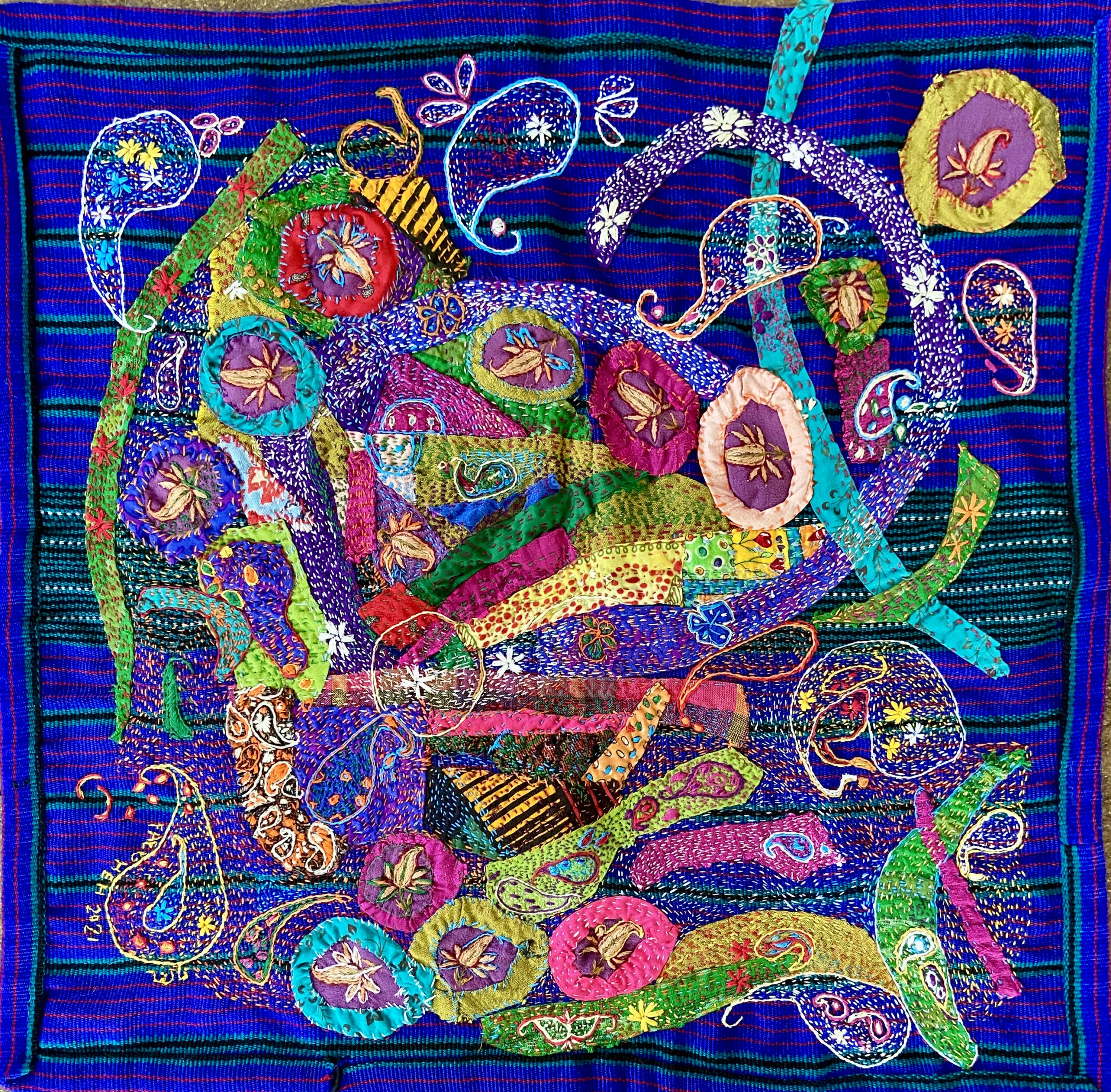
Faegheh Shirazi weaves a career in cultural textiles.
-
The Scholar and the Artist
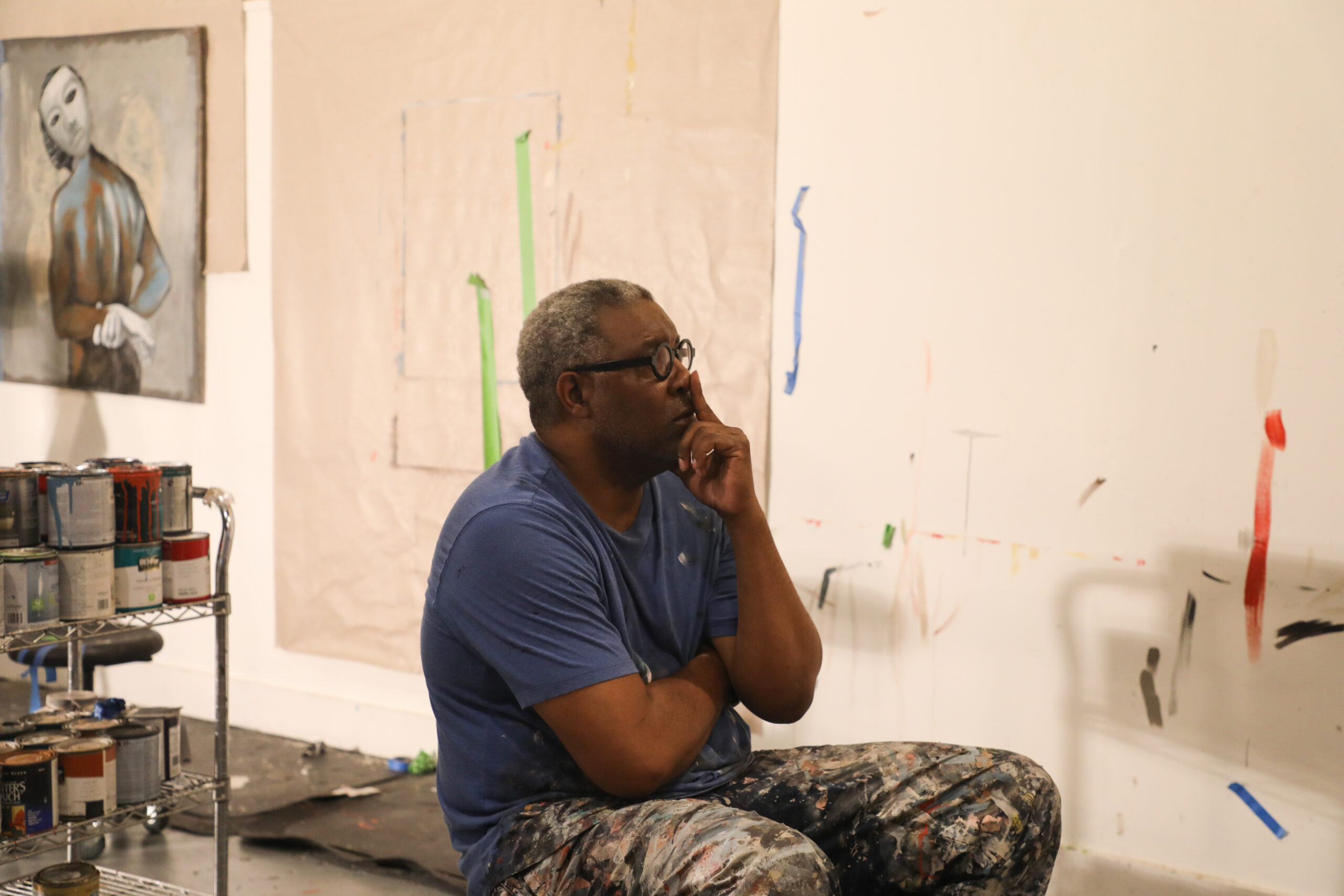
Cherise Smith looks at Michael Ray Charles looking at the world.
-
Lisa Moore Is Picking Up What They’re Putting Down
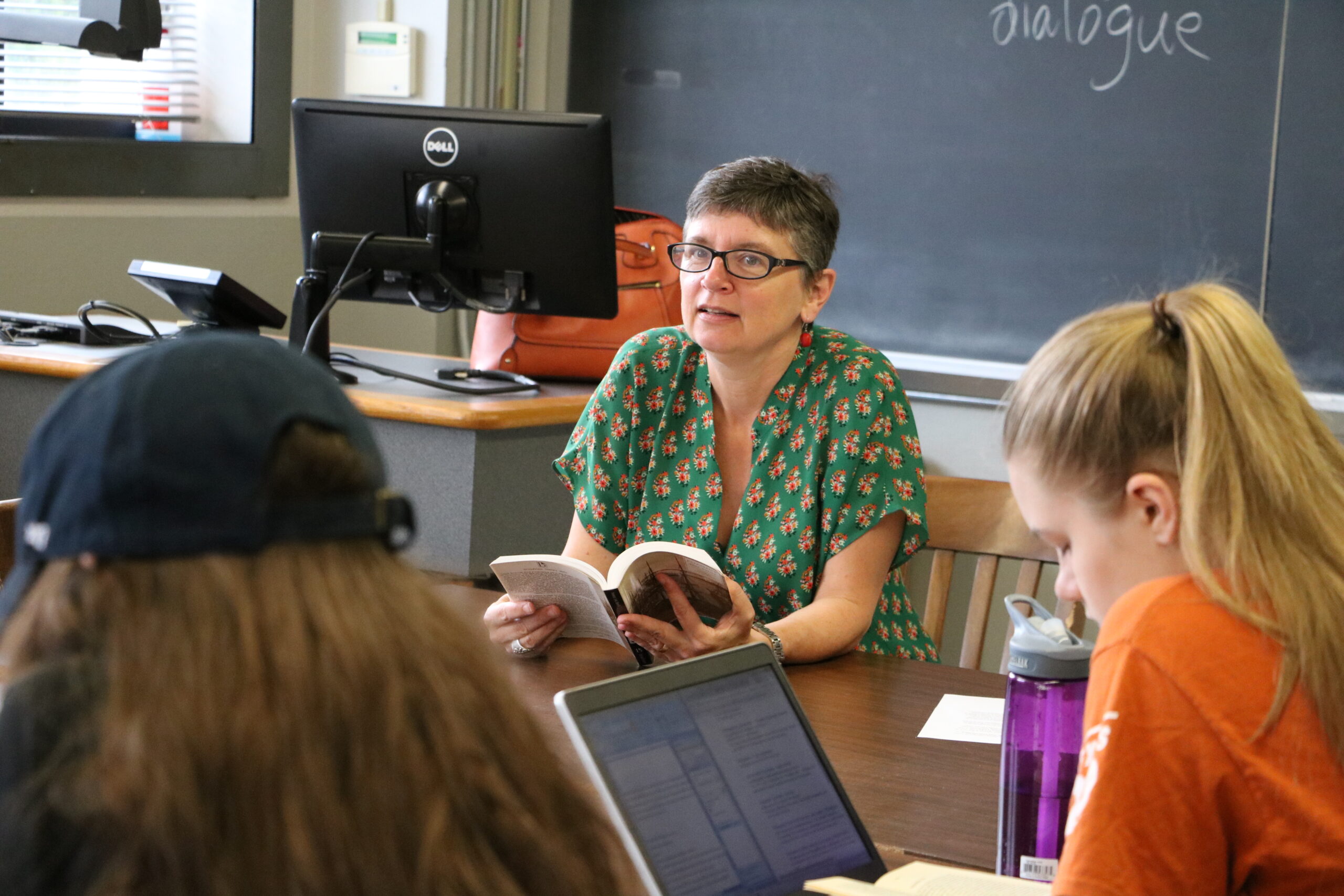
As a young scholar and critic, Lisa Moore was driven by a deceptively simple desire: “I really wanted to see myself in literature and art, because I love literature and art and I felt that it was wrong if my experience had not been represented there.”
-
Blood in the Water: A Graphic Story
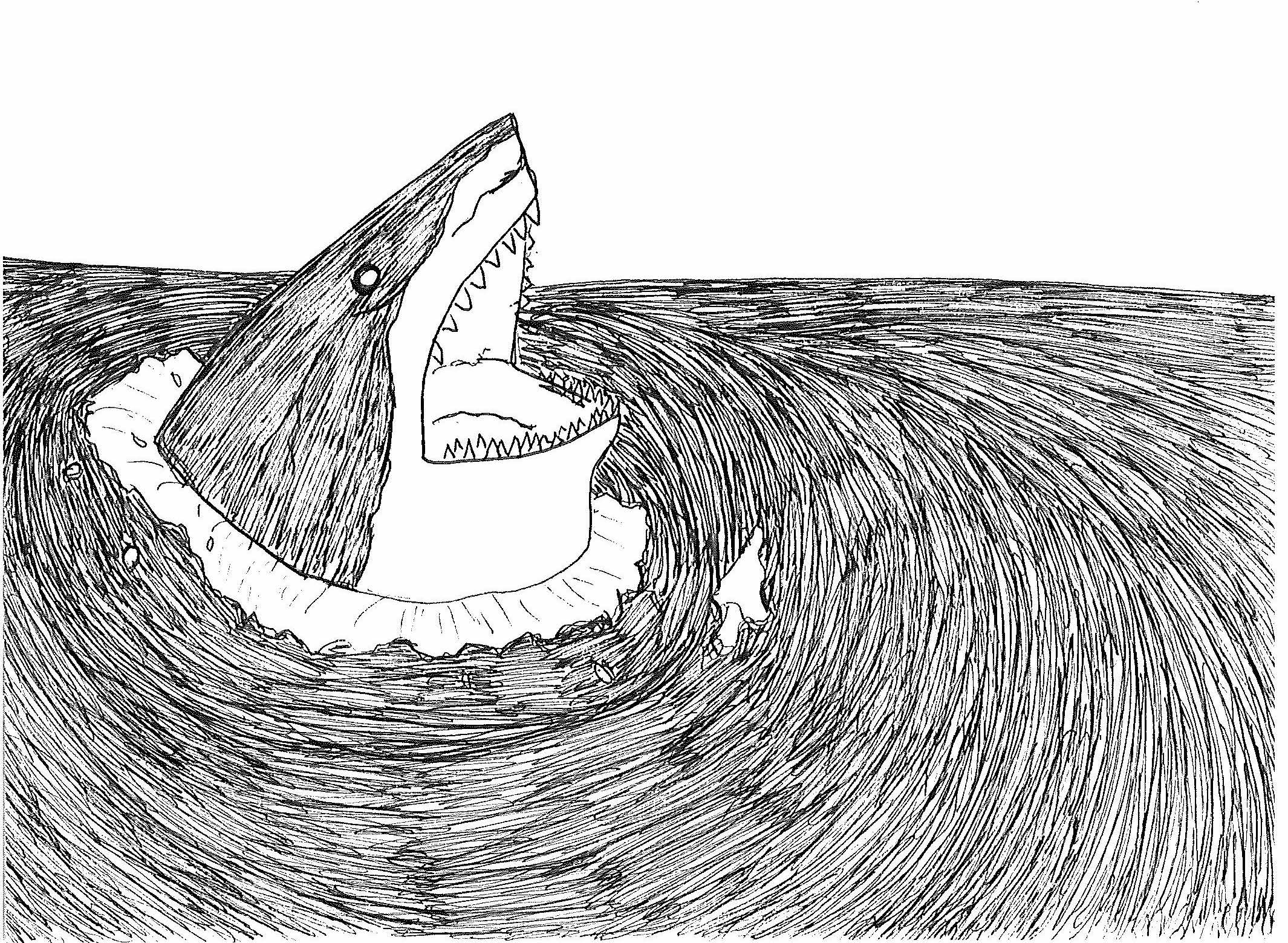
A graphic story by American Studies Ph.D. student and cartoonist Coyote Shook that explores the shark-related research of American Studies professor Janet Davis, one of Shook’s advisors, in the context of Shook’s own work as well as the broader field of “blue humanities.”
-
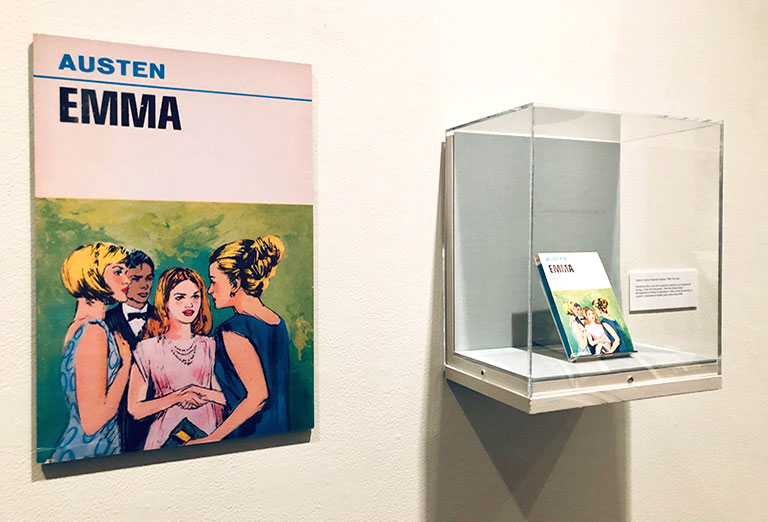
Austen in Austin
When UT Austin’s Harry Ransom Center, world-renowned for its rare books and manuscripts, wanted to tell a fresh story about Jane Austen, it needed to team up with an Austen scholar willing to go places the HRC couldn’t. That scholar? Janine Barchas.
-
Ghosts in the Machine: Digital forensics and the race against the technological clock
Jacques Derrida, the famous philosopher, thought the advent of digital word processing meant the end of the draft. Thorsten Ries and a team of researchers are proving him wrong — and pushing the boundaries of digital forensics in the humanities.

-
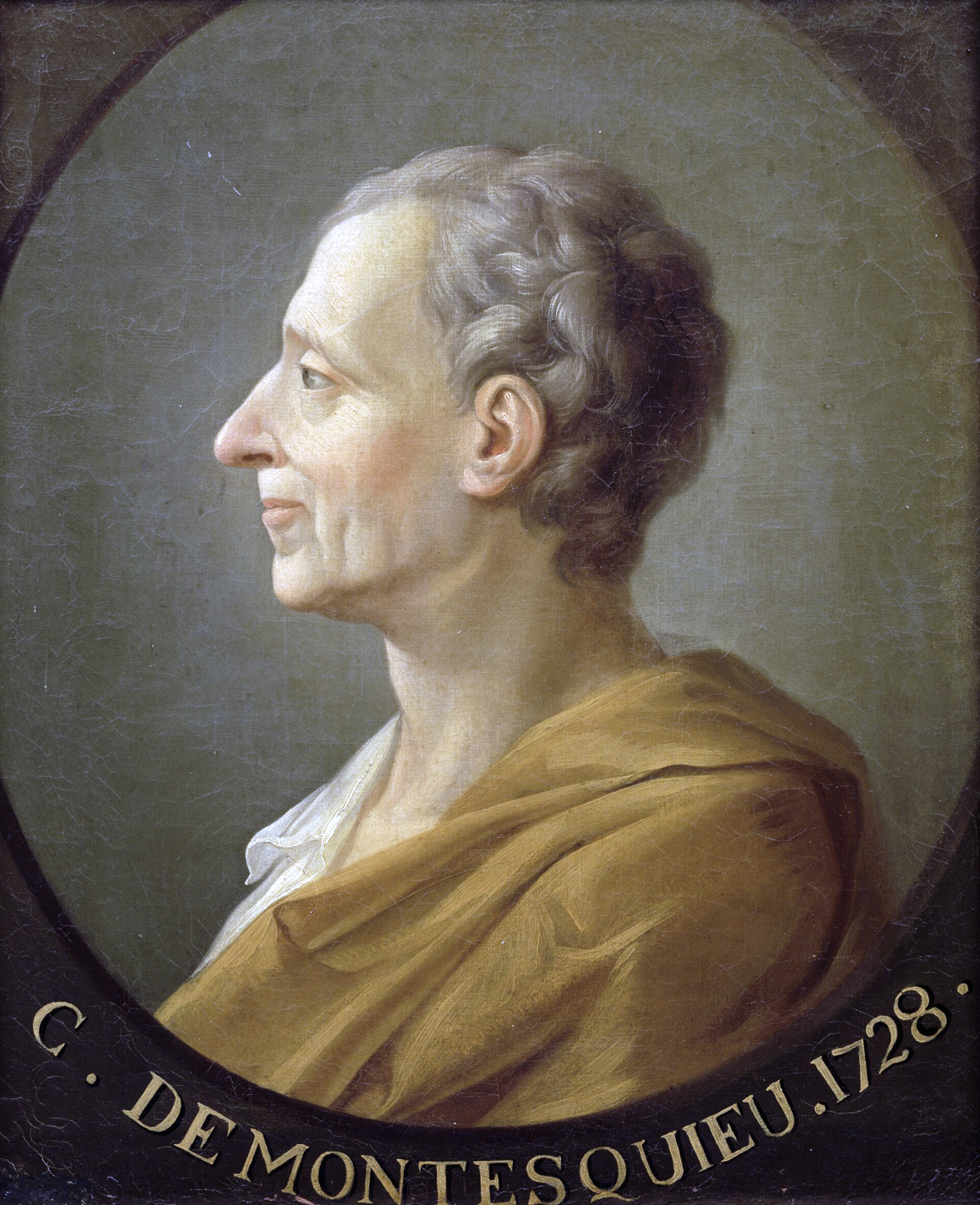
The Oracle of the Enlightenment
How did one of the 18th century’s greatest students of Rome become its foremost voice for balance and moderation in the construction of the modern state?
-
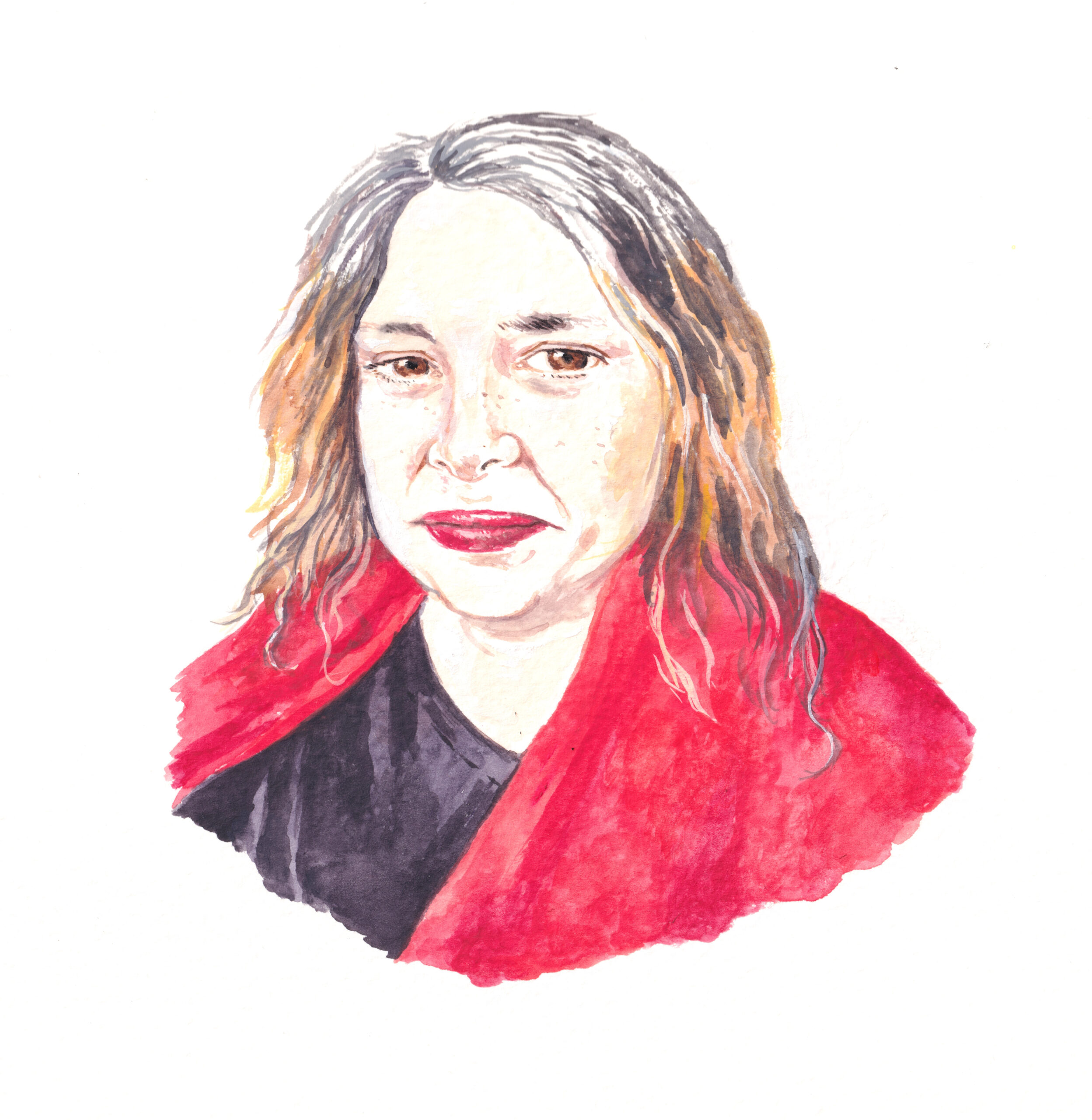
The McCrackenaissance
A few things to know about Elizabeth McCracken: She’s hilarious on Twitter. She likes to spend her mornings swimming in Austin’s Barton Springs Pool. She’s not wild about the term “autofiction,” and her new book, “The Hero of This Book,” is definitely a novel, not a memoir.
-
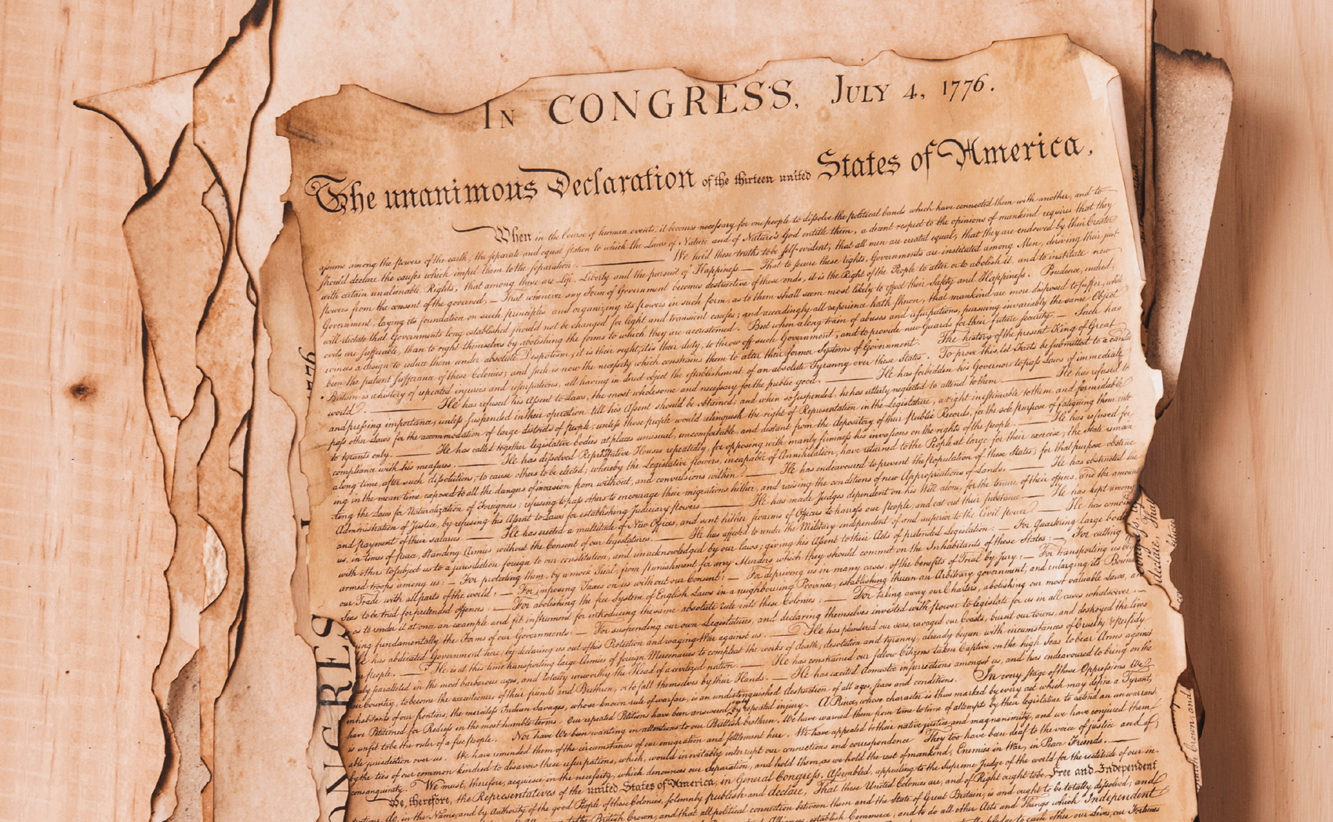
Laws of the Lands: Exploring the World’s Constitutions
There are almost two hundred countries with constitutions currently in existence, and their contents vary considerably. The Comparative Constitutions Project has been documenting and analyzing them for almost two decades, creating a set of resources for scholars and non-scholars along the way.
-
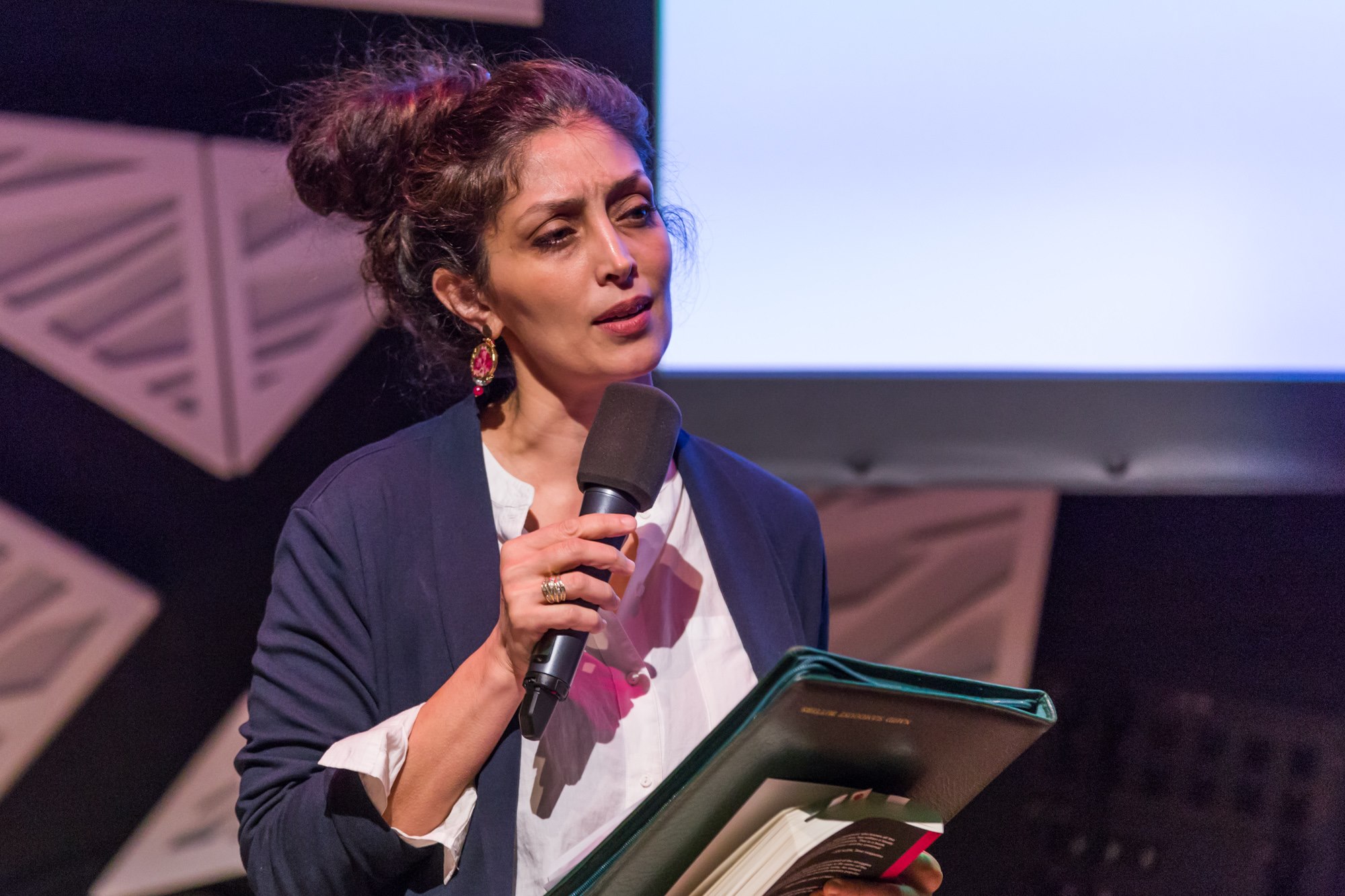
Iran and Back Again: Talking with Nahid Siamdoust
Nahid Siamdoust left Iran with her family toward the end of the Iran-Iraq War, after an Iraqi bomb hit her elementary school, killing a number of students. In the decades since, she has lived a truly global life.
-
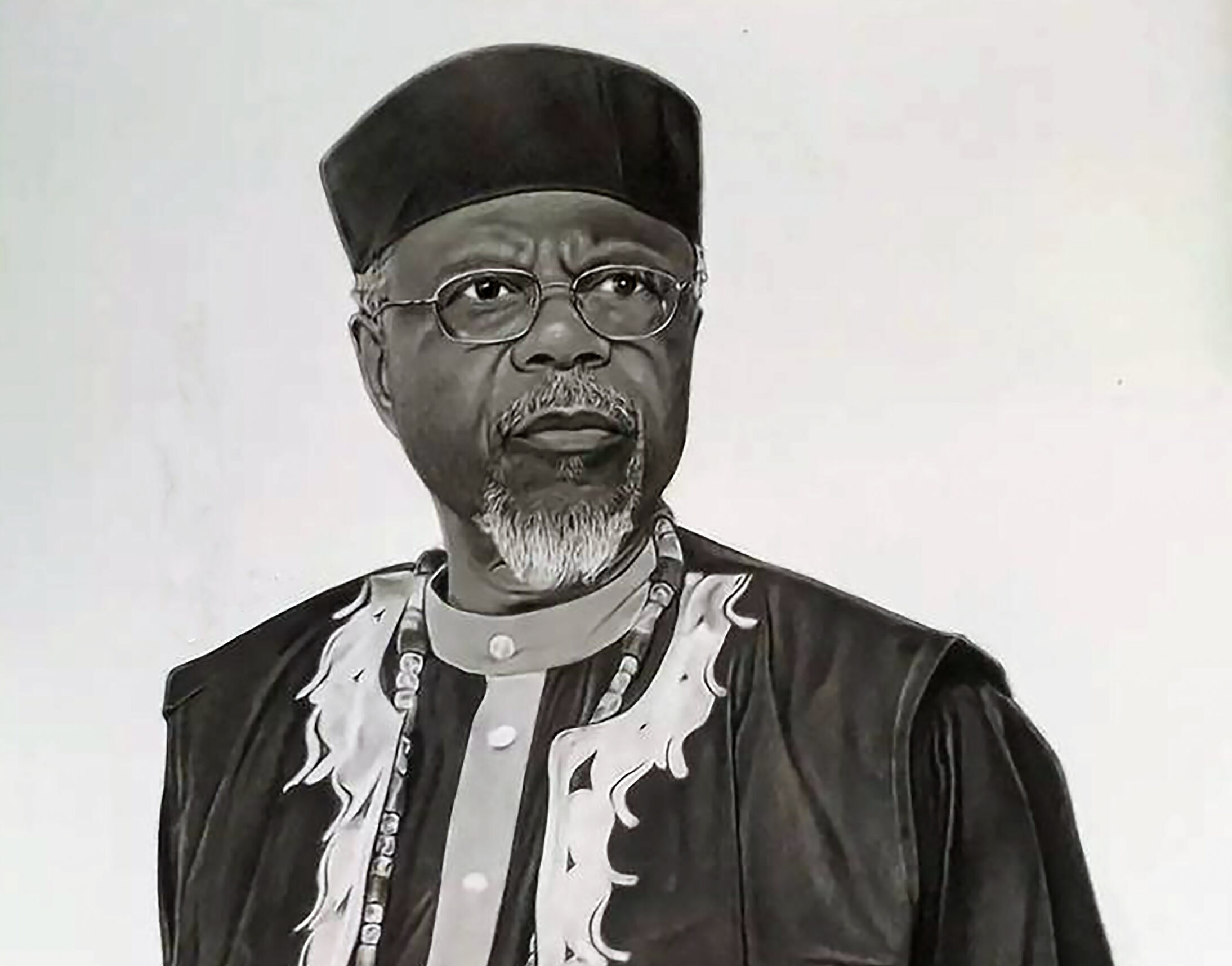
May my child become like Toyin!
College of Liberal Arts alumnus Vik Bahl talks to his mentor, African and African Diaspora Studies professor Toyin Falola, about Falola’s globe-spanning career as a scholar of African and a building of the discipline of African Studies.
-
K-Drama, K-Pop, K-Places: The Research of Youjeong Oh
Oh investigates how Korean cities and regions use popular culture, particularly television dramas and K-pop, to promote themselves to an expanding audience of ardent fans. But pop culture is always a bit of a gamble, and it’s not always clear who — or where — benefits from sudden stardom.

-
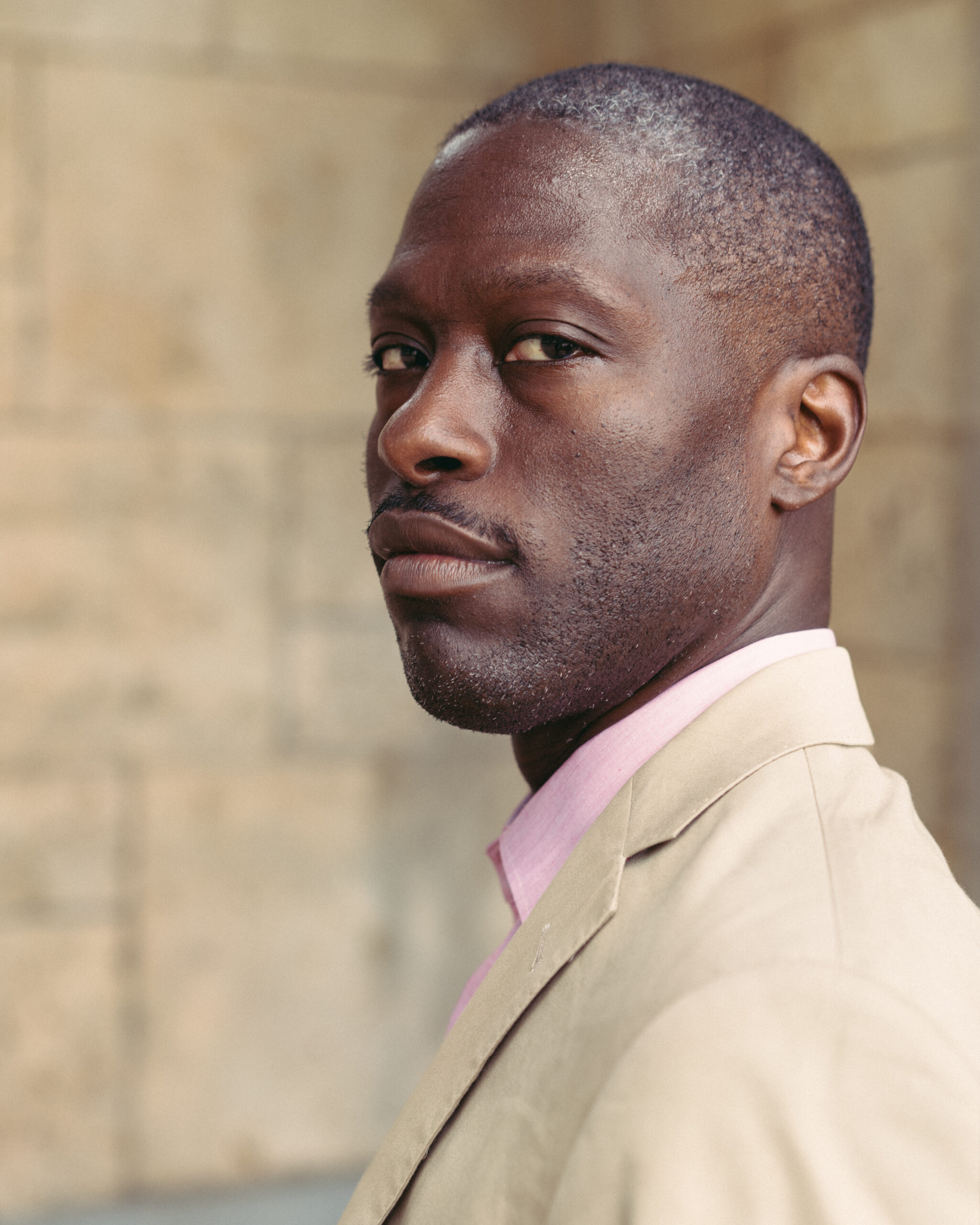
The Way of Roger
Roger Reeves’ latest poetry collection, Best Barbarian, is part jazz song, part fever dream, part mythic reimagining. “For me, the barbarian is the achievement of something that is recognizably outside and potentially threatening, not because it seeks to be but just because it’s making a way and a life of being possible. It’s about self-love.…
-
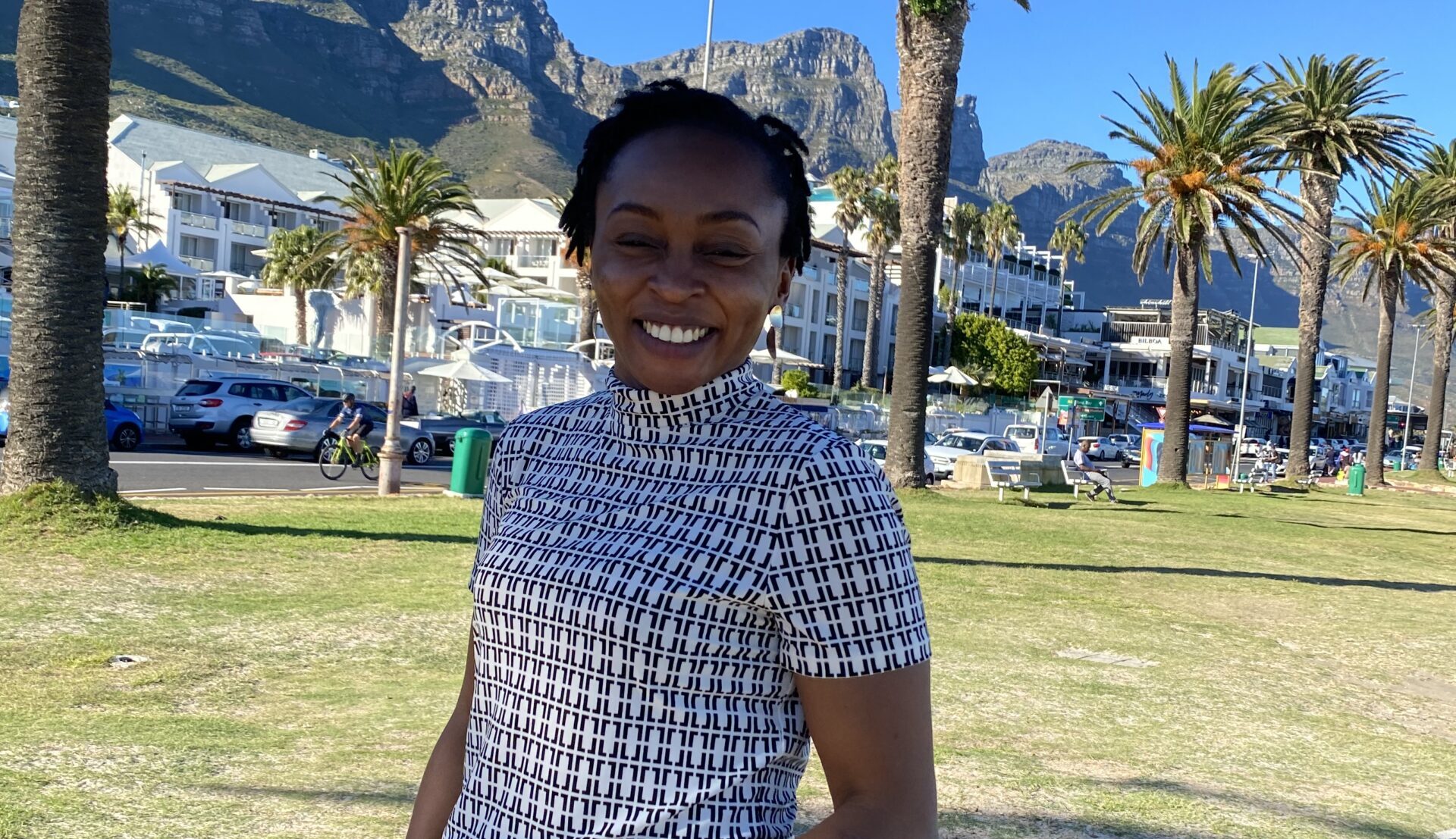
Huge in Nigeria: Q&A with Abimbola Adelakun
In the U.S., Abimbola Adelakun is a respected junior academic, first a graduate student and now an assistant professor in the Department of African and African Diaspora Studies at The University of Texas at Austin. In her native Nigeria, Adelakun is “a bit famous.” She is the author of a weekly political column for Punch,…
-
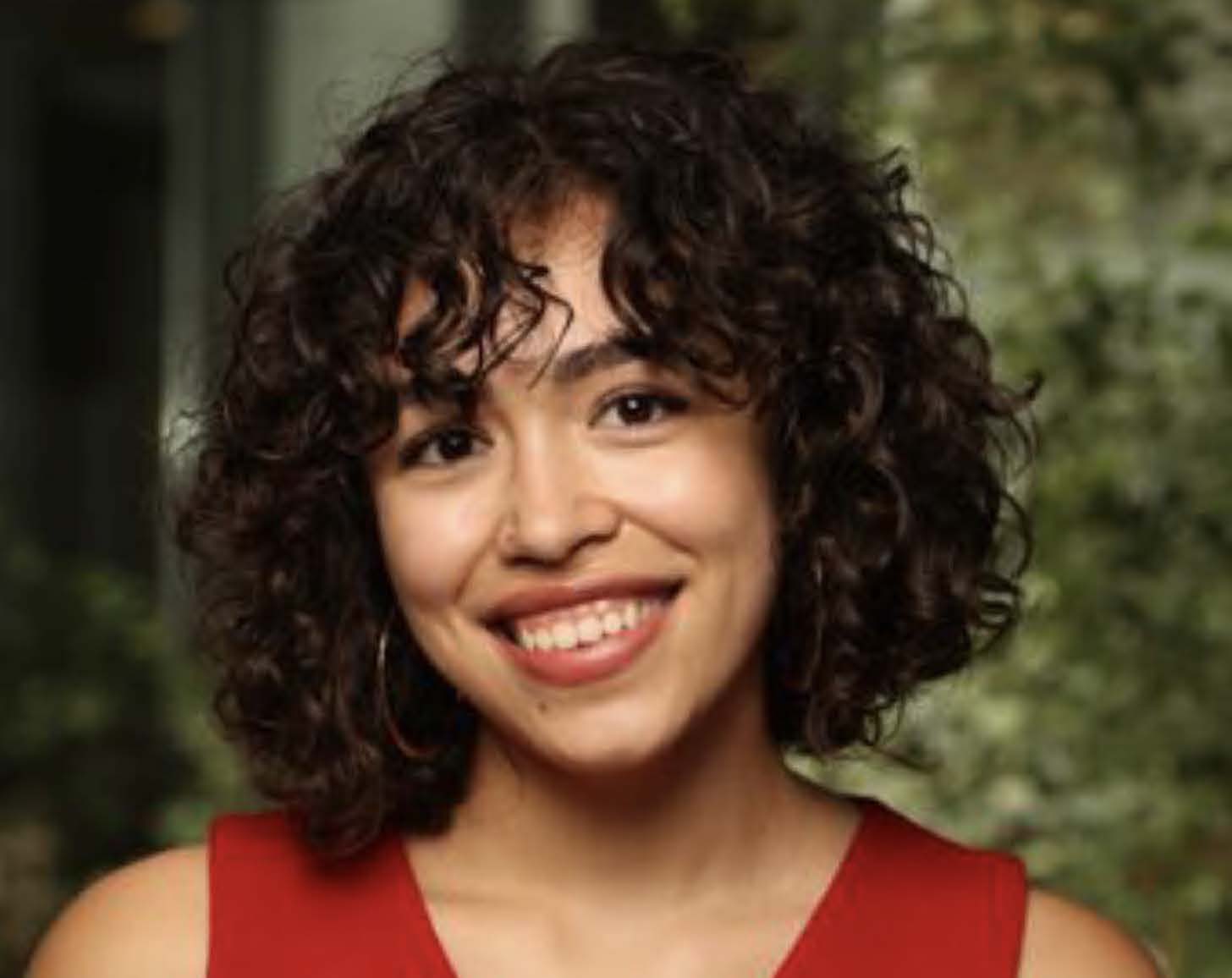
Talking to Julieta Suárez Calderón, 2022 Randy Diehl Prize Winner
The $18,000 award, now in its seventh year, was established by donors to support a graduating liberal arts senior who is committing the year after graduation to effect positive change in the world by working for a nonprofit organization, working for a for-profit organization that benefits others, or creating a new nonprofit.
-
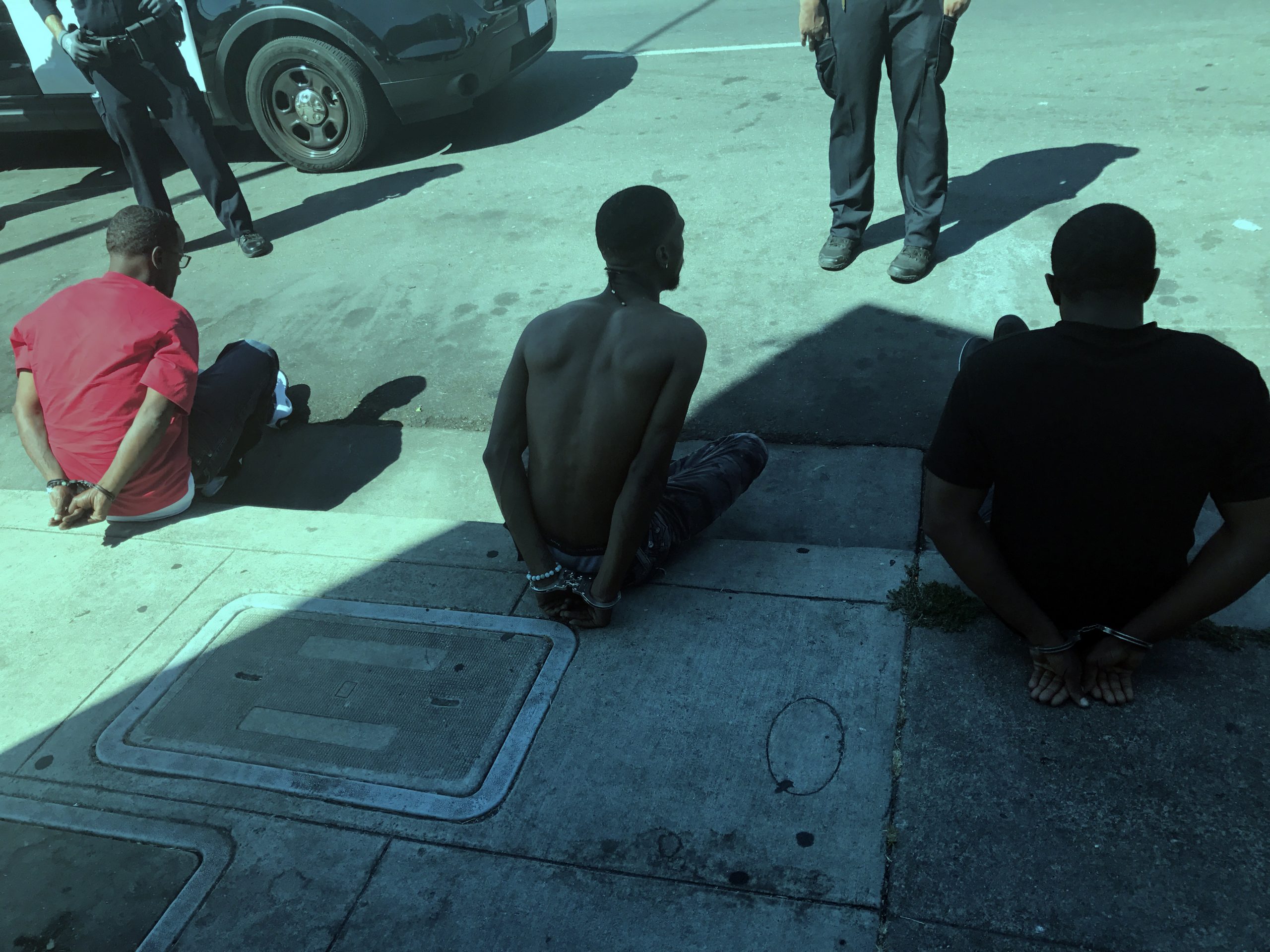
The Danger Imperative: Reckoning With the Perception of Violent Threat in American Police Culture
In July 2016, a gunman ambushed Dallas police officers, killing five, injuring an additional nine (along with two civilians), and fueling public rhetoric about a so called “war on cops.” At the time of the Dallas shooting, Michael Sierra-Arévalo, now an assistant professor of sociology at The University of Texas at Austin, was doing fieldwork…
-
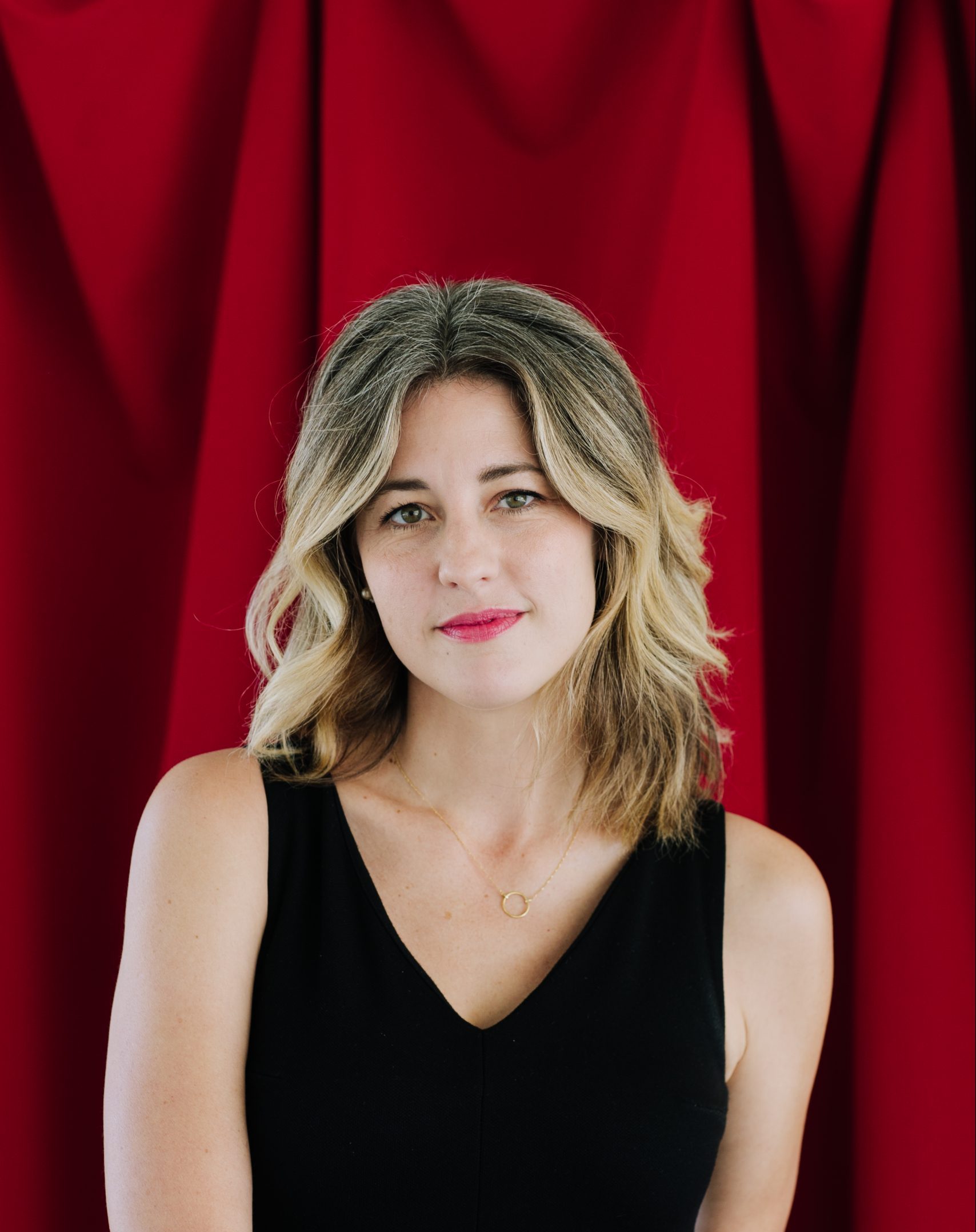
The Sequencing of our Success: Q & A with Kathryn Paige Harden
In her book, The Genetic Lottery: Why DNA Matters for Social Equality, psychology professor Kathryn Paige Harden explores how genes contribute to variation in complex life outcomes such as educational attainment and income level. She argues that understanding genetic impacts on these outcomes could and should be used to promote greater equity among individuals with…
-
The Pilgrimage of Professor Latinx: Frederick Luis Aldama and the Making of an Academic Superhero
The origin story of Frederick Luis Aldama, professor of English at The University of Texas at Austin and academic superhero “Professor Latinx,” begins with a bus trip his mother took before he was born. She set out from her home in East Los Angeles toward Guatemala, intending to meet family members she’d only heard about…